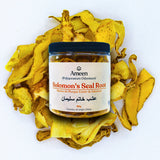
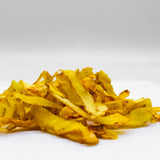
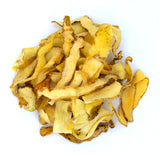
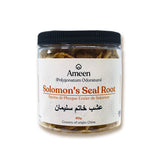
Solomon's Seal Root
Solomon’s Seal Root, scientifically known as Polygonatum biflorum, is a revered perennial herb found across North America, Europe, and Asia. Its name stems from the distinctive, seal-like markings on its rhizome, which have contributed to its historical and botanical significance. With a long-standing presence in traditional and herbal practices, this root is cherished for its unique properties and versatility. Culinary Uses of Solomon’s Seal Root Flavor Profile Mildly sweet and nutty, adding depth to both savory and herbal preparations. Culinary Applications Used as a root vegetable, often boiled, roasted, or added to soups. Commonly incorporated into traditional Asian herbal broths and tonics. Steeped into teas or cooked down into syrups for a delicate flavor infusion. Beyond the Kitchen: A Root with Tradition Solomon’s Seal Root has been historically valued in various herbal traditions. It is frequently incorporated into teas, tinctures, and topical applications, demonstrating its broad adaptability. Whether infused in a warm brew or used in wellness formulations, its legacy continues to thrive across cultures. Why Choose Solomon’s Seal Root? This root has been treasured for centuries due to its delicate flavor, historical significance, and versatility. Used in cooking, teas, and traditional formulations, it remains a valued ingredient across different cultures. Botanical and Cultural Significance Botanical Name: Polygonatum biflorum / Polygonatum odoratumCommon Names: English: Solomon’s Seal, King Solomon’s Seal, Sealwort, Dropberry, Lady’s Seal, Seal Root Chinese: 玉竹 (Yù Zhú) Other: Jade Bamboo, Himalayan Solomon’s Seal, Garden Solomon’s Seal
Fast worldwide shipping, dispatched within 1 to 2 business days. Free shipping on orders over $75. Returns accepted in line with our refund policy.