

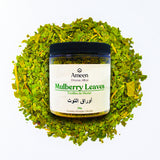
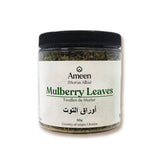
Mulberry Leaves
Shipping in Canada: $9.99 to Ontario and Quebec, $14.99 elsewhere. Free over $50.
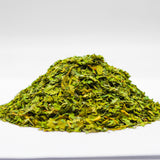
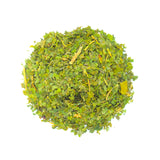
Mulberry Leaves (Morus alba) are vibrant green leaves harvested from the mulberry tree, an ancient botanical revered in culinary and traditional culture across East Asia and beyond. Characterized by their varying shapes (ranging from heart-shaped to lobed), mulberry leaves offer a mild, earthy flavor and a remarkable range of applications in food, tea, and herbal formulations.
Culinary Applications of Mulberry Leaves
Mulberry leaves are a versatile ingredient that bring delicate herbal notes to many recipes:
-
Tea Infusions: Often steeped to produce a mild, slightly grassy tea enjoyed daily.
-
Natural Wrappers: Used blanched to wrap rice, dumplings, or steamed dishes in Korean, Japanese, and Chinese cuisines.
-
Powdered Form: Ground into a fine powder for smoothies, soups, baked goods, or green drinks.
-
Sautéed or Stir-Fried: Can be cooked like leafy greens to complement soups, stews, or traditional side dishes.
Why Choose Mulberry Leaves?
-
Flavor Profile: Mildly grassy and earthy, with subtle green tea-like notes.
-
Versatile Use: Ideal for teas, soups, stir-fries, and powdered blends.
-
Traditional Significance: A staple in East Asian herbal culture and a symbol of longevity.
Botanical and Cultural Significance
Botanical Name: Morus alba
Common Names: Mulberry Leaf, Morus Leaf, White Mulberry Leaf, Sang Ye (桑叶), Tut Leaf, Kuwacha Leaf, Shahtoot Leaf, Kokuso Leaf, Egyptian Mulberry, Chinese White Mulberry, Common Mulberry Leaf, Korean Mulberry Leaf, Moral Blanco
Orders are dispatched within 1 to 2 business days. We ship to Canada and selected international destinations. See our shipping policy for destination minimums. Available shipping options are shown at checkout. Returns follow our refund policy. Shipping policy

What our customers say
More from Herbs & Botanicals




This plan has a 2-shipment minimum
Subscribe & Save takes 15% off every delivery. In return, we ask for a short commitment.
- You are billed and shipped every month at 15% off.
- Your plan runs for a minimum of 2 shipments. Cancellation becomes available once those 2 shipments have been billed.
- You can skip, reschedule or change quantities on any delivery at any time, including the second one.
- Prefer no commitment? One-time purchase is always available at the regular price.